
There’s nothing quite like a night at the pictures, right?
The anticipation as you approach the box office to get tickets, the smell of freshly popped popcorn, the murmur of the audience waiting for the lights to dim. For a few wonderful hours, the outside world disappears, and you immerse yourself in the magic of the movies.
Today, we’re shining a light on one of the most important locations in The Seventh Screening, and sharing a little of the history and design philosophy behind Hollywood’s finest picture palace: The Kleos.
A Monument To A Golden Age
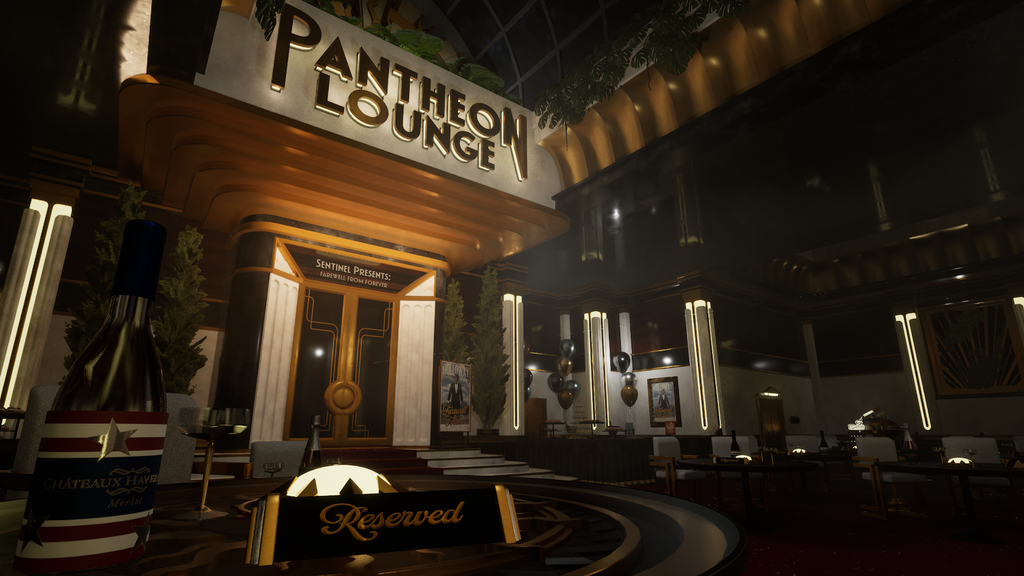
During Hollywood’s Golden Age, the major film studios controlled nearly every aspect of their production and distribution, right down to the cinemas in which audiences watched them. The Kleos was the jewel in the crown of Sentinel Studio’s portfolio of theatres across America.
Designed to impress from the moment its patrons stepped through the doors, theatres like The Kleos promised an experience every bit as spectacular as the films they screen. The Kleos was a place where movie stars rubbed shoulders with the Hollywood elite. Premieres were always lavish affairs where every visitor could enjoy a taste of the glamour of stardom.
But by 1953, the Hollywood that built the Kleos is beginning to disappear; Following the breakup of the studio system, Sentinel Studios has been forced to part with its prized theatre. Though the building remains a prestigious Hollywood landmark, its glory days are increasingly becoming a memory.
Designed to Dazzle
When we first began designing the Kleos, we knew we wanted to blow people away with its size and grandeur.
The great American movie theatres of the early 20th Century were often very extravagant buildings. Their architects borrowed freely from different cultures, historical periods, and architectural movements, creating spectacular spaces that made an evening at the movies feel like an extraordinary occasion.
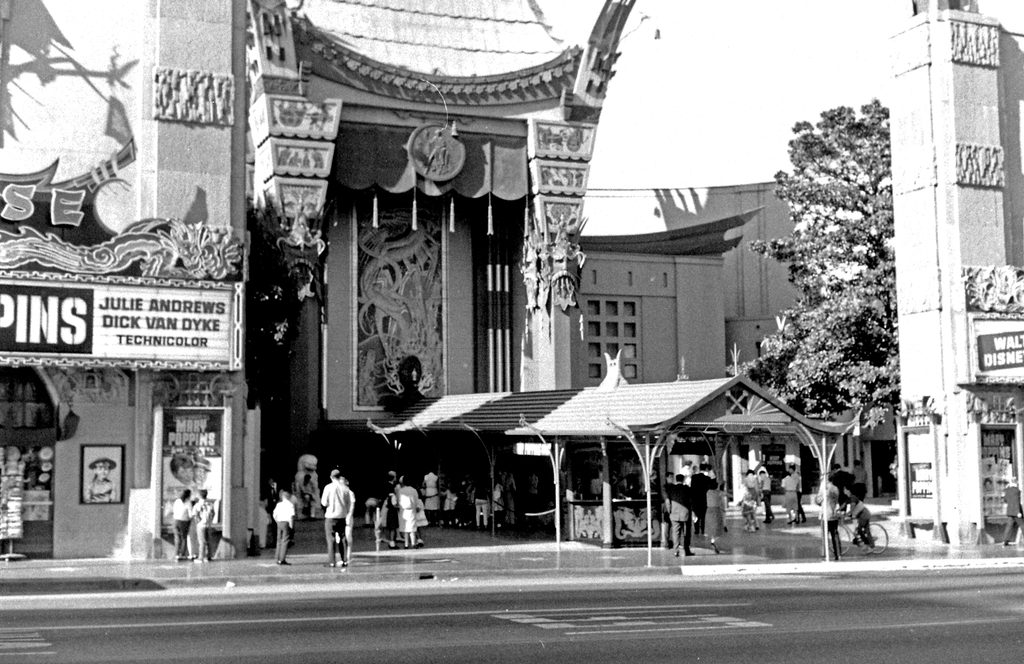
Nowhere was this more apparent than in Hollywood: legendary venues like Grauman’s Egyptian Theatre, opened in 1922, and the equally iconic Chinese Theatre both leaned heavily on other cultures for inspiration. With their monumental facades and larger-than-life presentation, these buildings were attractions in their own right – and continue to be to this very day.
We wanted the Kleos to capture that same sense of theatrical excess, but with a distinctly Ancient Greek identity. Its design combines bold Art Deco geometry with the grandeur of classical Greek architecture: something we call “Art Deco-Greco” internally. Even the name Kleos is borrowed from Ancient Greek, referring to glory or renown – in particular the kind of fame that survives long after someone is gone.
But the Kleos doesn’t just stand apart from its contemporaries in appearance. Most theatres of that time were built around a single enormous auditorium, whereas the Kleos boasts an impressive seven individual screens. It’s a rather unconventional arrangement for a cinema of the period, but there are reasons for that.
Behind the Scenes
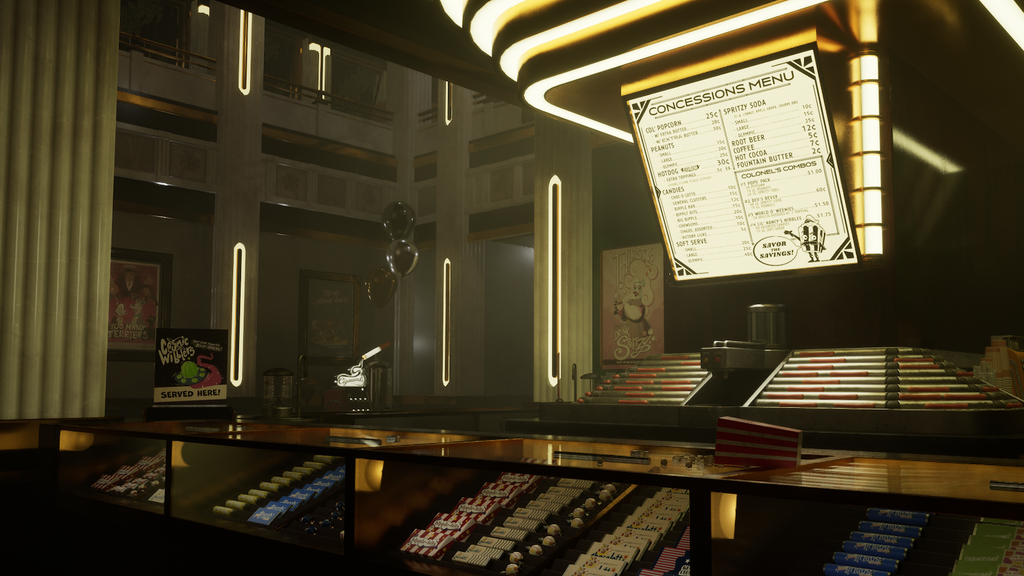
Every great performance requires an awful lot of work behind the scenes – and for all its glamorous public spaces, the Kleos is also a functioning cinema, complete with the corridors, offices, utility rooms, and backstage spaces that audiences are never meant to see.
One of the things we’ve particularly enjoyed during development is exploring the contrast between these two sides of the building; The public-facing spaces are grand and designed to impress, but that lavish ornamentation gives way to darker, less well-kept back rooms and staff areas that are a far cry from the glamour above.
We took great care in planning out the the Kleos’s spaces, thinking about how the staff would get around the building unseen, where they would spend their time on breaks, how they might store all the various provisions, film reels, and old posters from years gone by. We’ve spent a long time considering how to tell the stories of the people who work every day there – both through notes and audio logs, but also strong environmental storytelling to make the Kleos feel like an actual place where people would have spent their time.
When the Lights Go Out
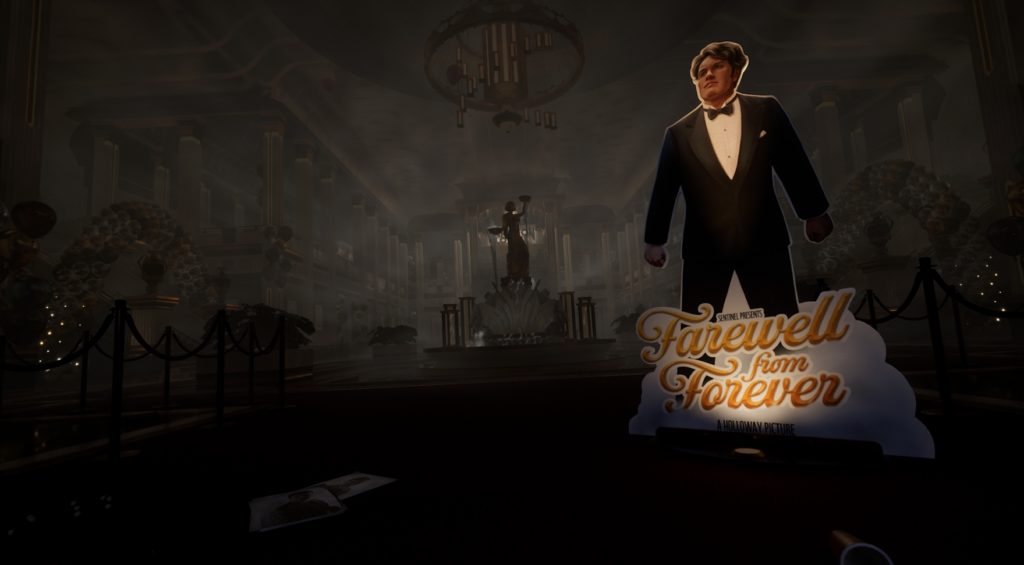
An empty cinema is an incredibly liminal space. Without the hustle and bustle of an audience, those enormous open spaces begin to feel strangely oppressive. Corridors seem to stretch on forever, and every footstep echoes through the deserted halls.
In The Seventh Screening, you’ll have the opportunity to explore the Kleos long after the final credits have rolled and the last guests have departed for the afterparty. You’ll find yourself piecing together the stories left behind, picking your way through the remnants of a lavish celebration, and avoiding… something. (We’re not quite ready to talk about that last part yet.)
There’s something wonderfully unsettling about a building designed to be filled with hundreds of people suddenly standing empty. The grandeur remains, but without the crowds, the music, and the excitement, it all begins to feel rather haunting.
Especially when the lights begin to dim, the doors are locked, and you realise you’re not going anywhere.
Many Hands Make Limelight Work
The development of the Kleos has passed through the hands of many Stupengineers since we first started dreaming it up almost a year ago.
We’ve explored a wide variety of architectural styles, visited real cinemas in Hollywood and across the US for reference, and spent a great deal of time figuring out exactly what makes the Kleos feel like the Kleos. We wanted to create somewhere that feels authentic to the period, but also slightly out of time, reflecting a version of Hollywood that’s just a little different from the one we know.
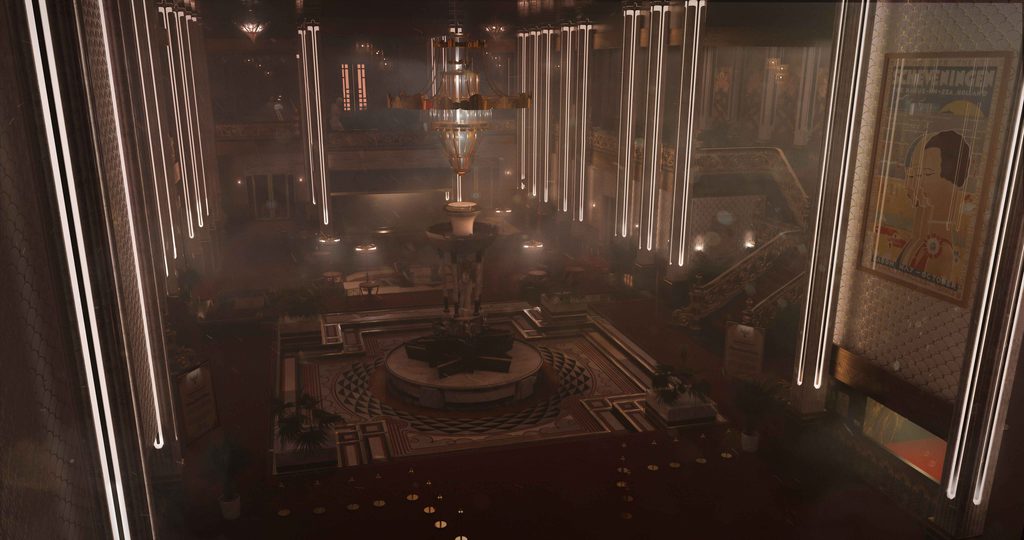
Below, you can see just a handful of examples of the concept art, work-in-progress models and greybox level designs that have helped shape the final look of the Kleos herself.
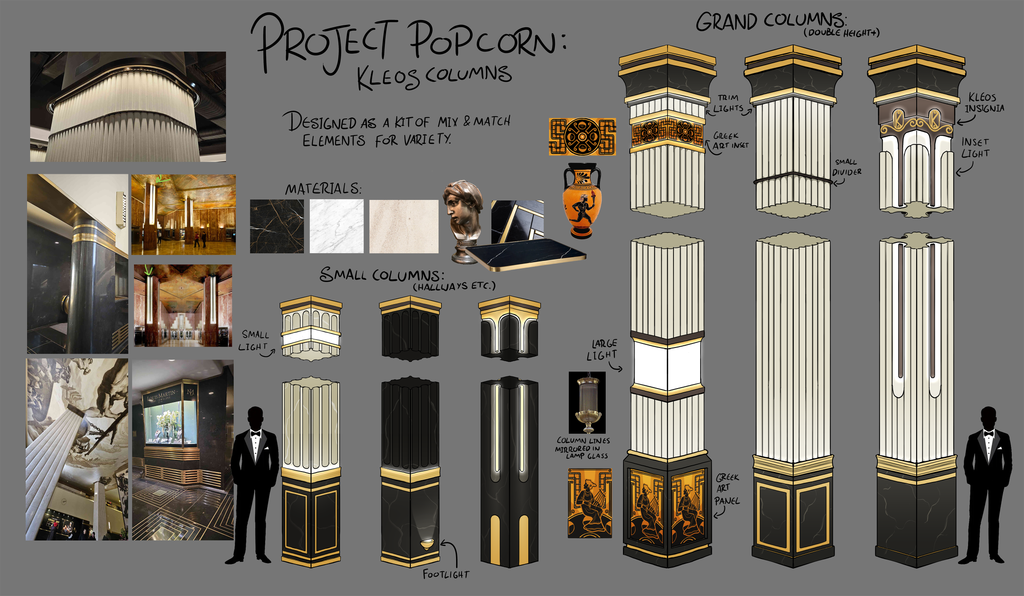
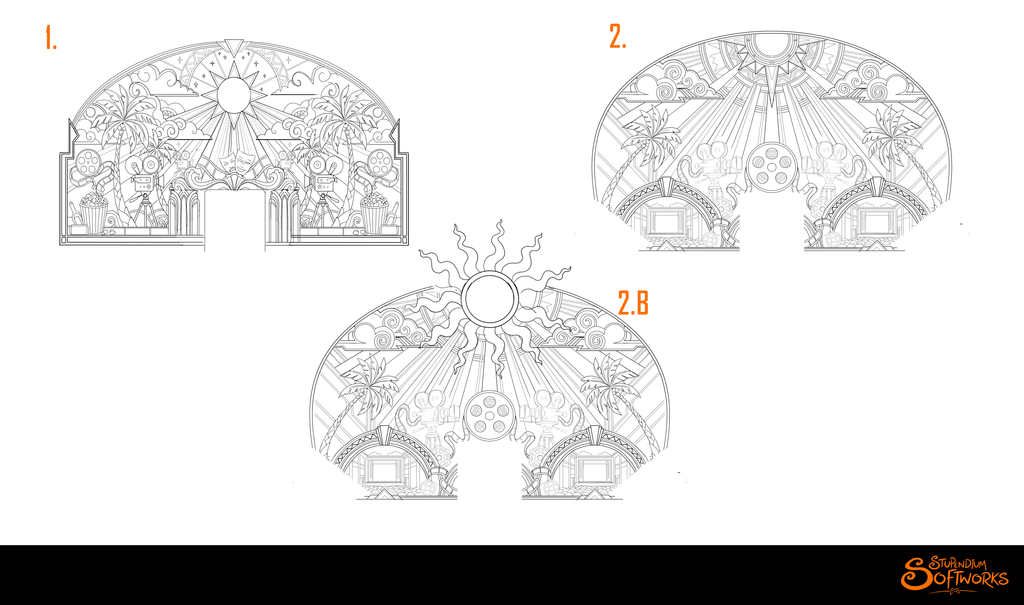
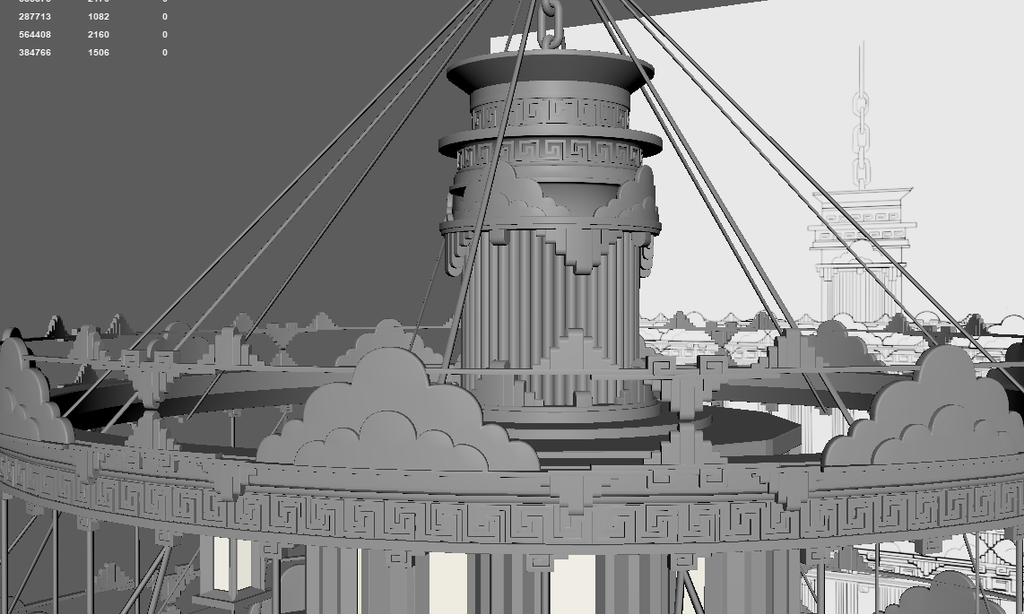
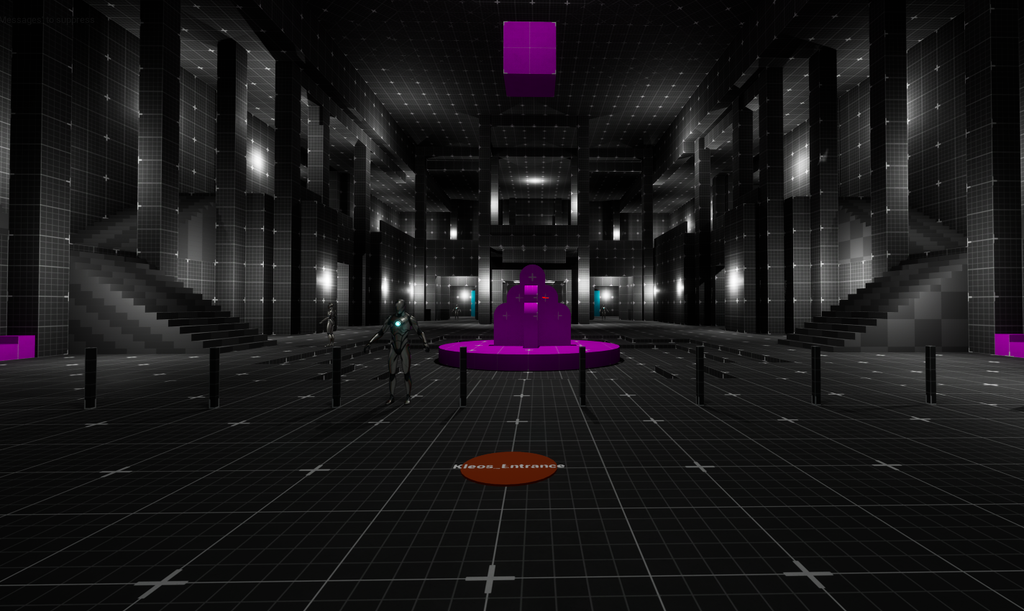
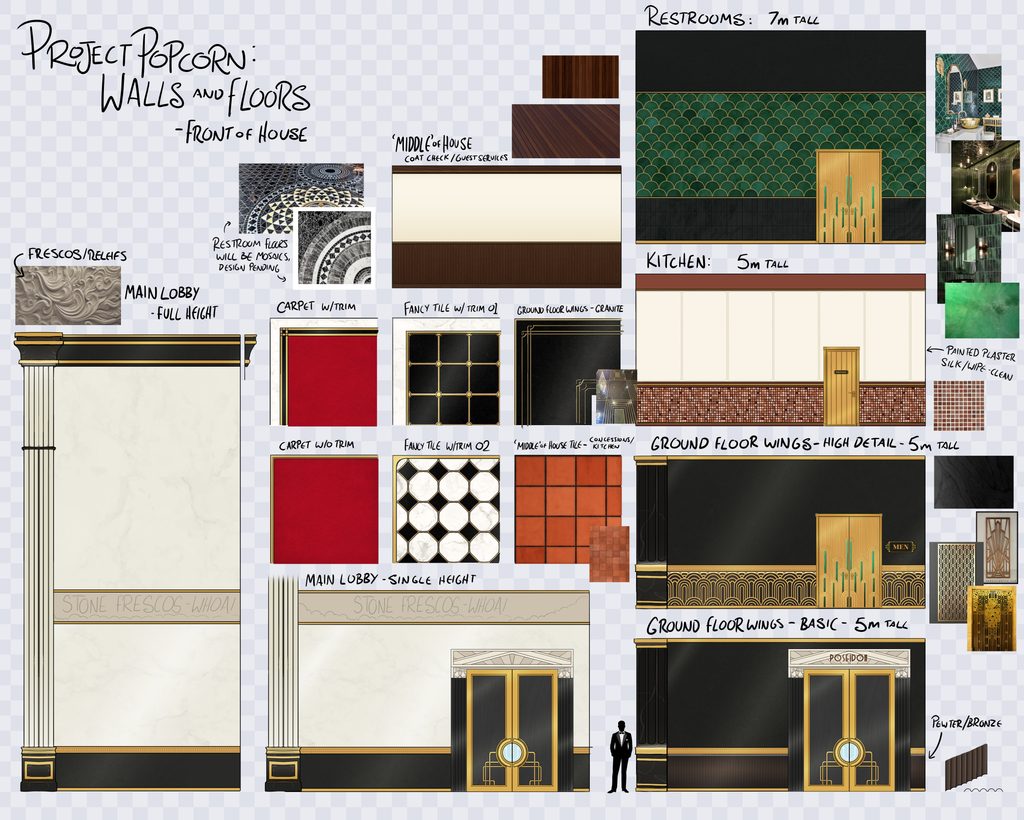
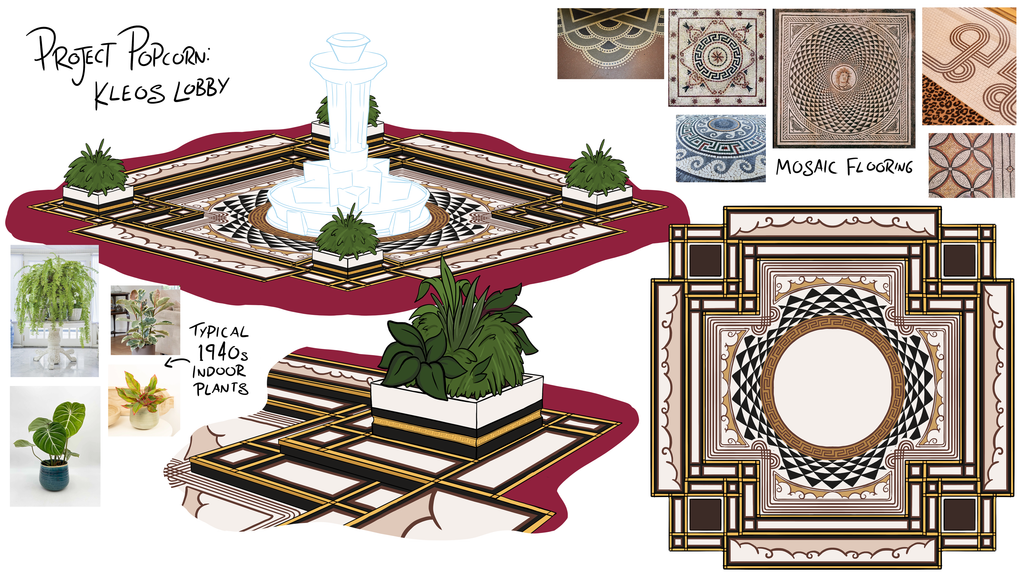
Bringing the theatre to life has been a hugely collaborative and iterative process, and naturally, not everything we’ve explored has made it into the version you see in the trailer. But every sketch, rough model and discarded idea has helped us find our way towards what we think is a beautiful environment that we can’t wait for you to explore.
Enjoy The Show
From its grand public spaces to the smallest details tucked away in its nooks and crannies, we’ve poured a tremendous amount of love into creating a location that we hope you’ll find as fascinating to explore as we have to build.
Building the Kleos has been an enormous undertaking for our team and we’re enormously excited to finally be able to share a glimpse of it with you, and over the coming year we’ll be pulling back the curtain on more of the work that’s gone into bringing The Seventh Screening to life.
For now, though, we’re still preparing the cinema for the premiere of Farewell From Forever, Don Holloway’s directorial debut… destined to be a box office smash hit.
The Seventh Screening is coming to Steam. Wishlist now, and we’ll see you at the pictures in 2028.
